


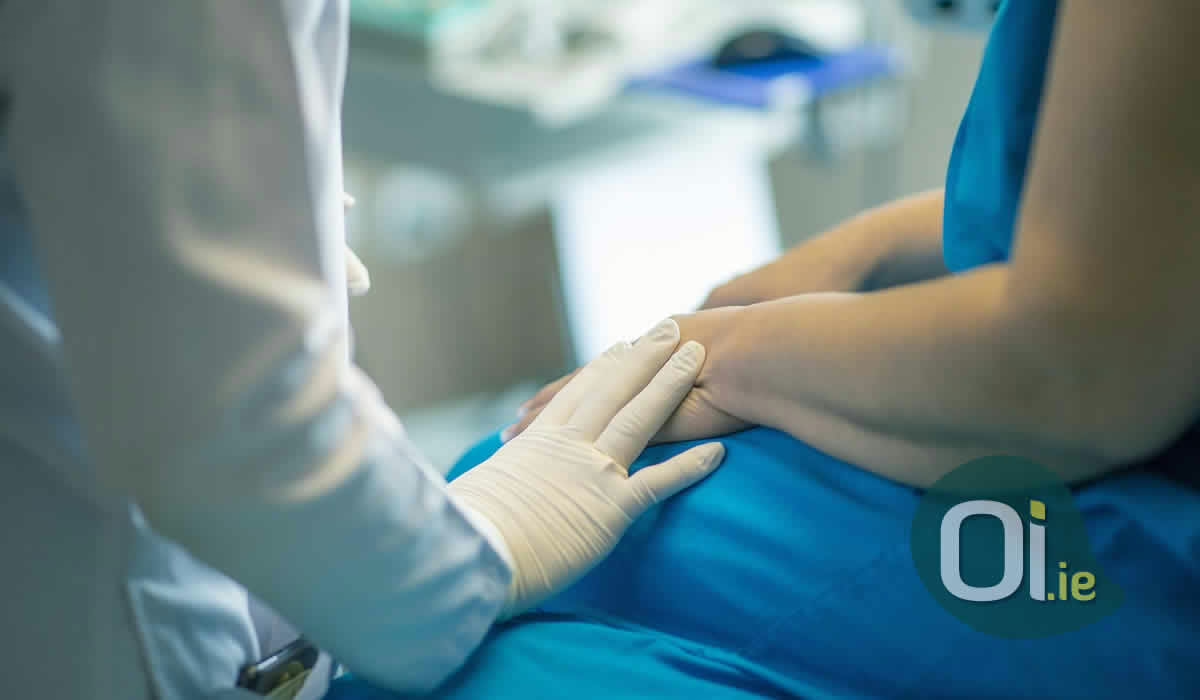
For many visitors arriving in Ireland, especially those staying longer on exchange programmes or working holidays, understanding how the healthcare system works is essential. While Ireland offers a high standard of medical care, access, costs and processes can differ significantly from what many Brazilians and other international visitors are used to.
Ireland’s healthcare system is a mix of public and private services, overseen by the Health Service Executive. As a visitor, you will most likely interact with private healthcare unless you qualify for limited public services.
How to see a doctor in Ireland
In Ireland, a general practitioner, commonly referred to as a GP, is the first point of contact for most non-emergency medical issues. Unlike some countries, you cannot usually walk into a public clinic without prior registration or payment.
Most visitors will need to:
- Find a local GP practice near their accommodation
- Call ahead to book an appointment
- Pay a consultation fee, typically between €50 and €80
Many GP clinics offer same-day or next-day appointments, but availability can vary, especially in busy urban areas like Dublin.
Pharmacies also play an important role. For minor illnesses such as colds, allergies or mild infections, pharmacists can provide advice and over-the-counter treatments without needing a doctor’s visit.
Can you get free GP care in Ireland
Free GP care in Ireland is limited and depends on eligibility. It is not automatically available to visitors.
You may qualify for free GP services if you have a Medical Card or a GP Visit Card. These are means-tested and generally only available to residents with lower income or specific circumstances.
For most Brazilian exchange students and short-term visitors:
- You will not qualify for free GP care
- You will need to pay for each visit
- You may be reimbursed through private insurance
EU visitors with a European Health Insurance Card may access some public services, but even then, GP visits are often not fully covered.
Healthcare costs and insurance
Ireland does not have free universal GP access for visitors. Unless you qualify for public schemes, you will need to pay upfront for most services.
For Brazilian exchange students and other non-EU visitors, private health insurance is usually a visa requirement. This insurance can:
- Reimburse GP visits
- Cover hospital stays
- Provide access to private clinics
It is important to check your policy details carefully, as some insurers require you to pay first and claim back later.
Do employers provide health insurance
Some employers in Ireland offer private health insurance as part of their benefits package, particularly in sectors like technology, finance and multinational companies.
However, this is not guaranteed.
For visitors and exchange students:
- Part-time or entry-level jobs typically do not include health insurance
- Full-time roles in larger companies may offer partial or full coverage
- Some employers provide discounted group schemes rather than fully paid plans
Even if your employer offers insurance, there may be waiting periods before coverage begins, so you should not rely on this immediately after arriving.
Choosing the right health insurance plan
Selecting the right insurance plan is essential, especially for non-EU visitors who must meet visa requirements.
When comparing plans, consider:
- Coverage limits for GP visits and hospital stays
- Whether emergency treatment is fully covered
- If pre-existing conditions are included or excluded
- Excess or deductible amounts you must pay
- Whether the insurer pays providers directly or reimburses you later
In Ireland, well-known providers include Vhi Healthcare, Laya Healthcare and Irish Life Health. Many international students, however, choose specialised expat insurance plans tailored to visa requirements.
Taking time to compare options before arriving can help avoid unexpected costs and ensure smoother access to care.
Hospitals and emergency care
In an emergency, Ireland provides access to hospital care through Accident and Emergency departments, often called A&E.
You should go to A&E or call emergency services if you experience:
- Chest pain or breathing difficulties
- Serious injuries or heavy bleeding
- Signs of stroke or severe allergic reactions
Emergency numbers in Ireland are:
- 999
- 112
Both numbers connect you to ambulance, police and fire services.
A&E departments can be busy, and waiting times may be long for non-life-threatening conditions. Patients are treated based on urgency, not arrival time.
Urgent care alternatives
If your condition is not life-threatening but still requires prompt attention, there are alternatives to A&E:
- GP out-of-hours services (available evenings and weekends)
- Walk-in clinics in some urban areas
- Minor injury units for less serious physical injuries
These options are often faster and less expensive than hospital emergency departments.
Summary of key healthcare options
| Service Type | When to Use | Typical Cost | Access |
|---|---|---|---|
| GP (General Practitioner) | Non-emergency illness, prescriptions | €50–€80 | Appointment required |
| Pharmacy | Minor illnesses, advice | €10–€30 (medication) | Walk-in |
| A&E (Emergency Department) | Serious or life-threatening issues | €100+ (may vary) | Walk-in |
| Out-of-hours GP | Urgent but not emergency | €60–€100 | Phone first |
Practical tips for visitors
Visitors to Ireland, particularly Brazilians on exchange programmes, should keep a few key points in mind:
- Always carry proof of health insurance
- Save emergency numbers (999 or 112) in your phone
- Locate the nearest GP and pharmacy early in your stay
- Keep receipts for any medical payments for insurance claims
- Do not go directly to A&E unless it is a genuine emergency
Understanding how the Irish healthcare system works can save time, money and stress. While it may feel unfamiliar at first, services are reliable and widely accessible once you know where to go and what to expect.


