


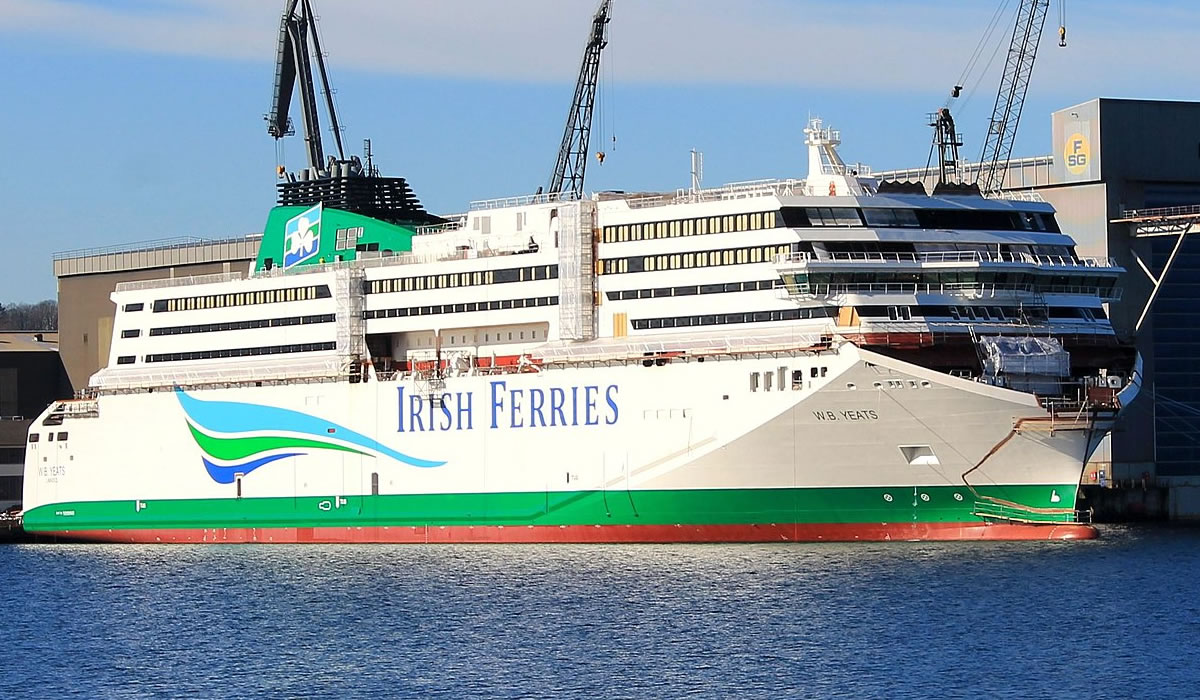
Flying may dominate modern travel, but ferries remain one of the most enjoyable, flexible and surprisingly affordable ways to leave Ireland. Whether you are taking the car for a road trip through France, bringing the campervan to Spain, planning a shopping weekend in Wales, or simply want to avoid airports altogether, ferry travel offers an experience that air travel simply cannot match.
For many travellers living in Ireland, ferries provide far more than transport. They are the beginning of the holiday itself. Instead of strict baggage allowances, long security queues and cramped cabins, ferry passengers enjoy restaurants, bars, outdoor decks, cinemas on selected ships, children’s play areas, pet facilities and the freedom to carry virtually everything they need.
The Republic of Ireland enjoys direct ferry connections with Wales, France and Spain, while England can easily be reached via Wales in just a few hours of driving. Combined with Britain’s excellent motorway network and Europe’s extensive road system, ferries open up thousands of kilometres of travel possibilities.
This guide covers every currently operating international ferry route from the Republic of Ireland, what you can expect onboard, approximate prices, money-saving tips, and why travelling by sea remains one of Ireland’s best kept travel secrets.
Why Choose the Ferry Instead of Flying?
Flying is often faster, particularly for city breaks, but ferry travel offers advantages that become increasingly valuable for families, pet owners and anyone travelling with luggage.
Most ferry passengers arrive at the port around 60 to 90 minutes before departure instead of spending hours navigating airports. There are no liquid restrictions, generous luggage allowances, and if travelling with a vehicle you simply pack what you need.
The journey itself also becomes part of the holiday. Rather than remaining seated in one place, passengers can stroll around the ship, enjoy meals, watch the sea from outdoor decks or simply relax in lounges while children have space to move around.
For many travellers heading to continental Europe, particularly for holidays lasting longer than a week, bringing their own car can significantly reduce costs by avoiding expensive car hire.
Ferry Routes from the Republic of Ireland
Ireland to Wales
Wales remains Ireland’s busiest ferry destination and serves as the gateway to England, Scotland and mainland Europe.
Dublin to HolyheadOperators:
This is Ireland’s busiest ferry corridor with multiple daily sailings throughout the year. Crossing time is typically between 3 hours 15 minutes and 3 hours 30 minutes depending on the vessel.
Approximate fares:
- Foot passenger from €35 to €70 each way
- Car plus driver from approximately €120 to €260 depending on season
Holyhead provides immediate access to the A55 Expressway across North Wales, connecting directly with the English motorway network.
Rosslare to Fishguard
Operator:
This southern route is popular with travellers coming from Munster and the south east. Crossing time is around 3 hours 30 minutes.
Approximate fares:
- Foot passenger from €35
- Car plus driver generally between €110 and €250
Rosslare to Pembroke
Operator:
The Pembroke route offers another convenient gateway into Wales and southwest Britain, with a crossing of around four hours.
Approximate fares:
- Foot passenger from around €35
- Car plus driver usually from €120 upwards
Travelling to England
There are currently no direct passenger ferry services between the Republic of Ireland and England.
Instead, almost all travellers arrive in Wales before continuing east. Birmingham can be reached in around three hours by car from Holyhead, Manchester in approximately two hours, while London is generally around five hours depending on traffic.
This route remains popular because ferry schedules align well with motorway travel and allow drivers to avoid airports entirely.
Ireland to France
Direct sailings to France have grown significantly over the past decade, making it possible to drive straight into mainland Europe without passing through Great Britain.
Rosslare to Cherbourg
Operators:
- Brittany Ferries
- Stena Line (selected seasonal services)
Crossing times vary from around 17 to 20 hours depending on the sailing.
Approximate fares:
- Foot passenger from approximately €90
- Car plus driver generally from €250 to over €500 during peak season
Cabins are strongly recommended because of the overnight crossing.
Rosslare to Dunkirk
Operator:
This route connects Ireland directly with northern France close to Belgium, making it ideal for travellers heading towards Belgium, the Netherlands, Germany or Luxembourg.
The crossing usually takes around 24 hours.
Typical fares:
- Foot passenger travel is generally unavailable
- Vehicle bookings typically begin around €300 depending on demand and accommodation.
Cork to Roscoff
Operator:
This seasonal service is particularly attractive for travellers from Cork, Kerry and Limerick.
The crossing normally takes around 15 to 16 hours.
Approximate fares:
- Foot passenger from approximately €90
- Car plus driver from approximately €250
Roscoff provides an excellent starting point for Brittany, Normandy and western France.
Ireland to Spain
Spain has become an increasingly popular ferry destination for Irish travellers who want to avoid driving across Britain and France.
Rosslare to Bilbao
Operator:
This crossing takes approximately 28 to 31 hours depending on weather and schedule.
Approximate fares:
- Foot passenger from around €180
- Car plus driver from approximately €450
Although more expensive than flying, the route is extremely popular with motorists, retirees and campervan owners travelling for several weeks.
Rosslare to Santander
Operator:
Santander offers direct access to northern Spain and excellent motorway connections towards Portugal, Madrid and southern Spain.
The crossing typically lasts between 27 and 30 hours.
Prices are broadly similar to Bilbao, although seasonal promotions can reduce fares considerably when booked well in advance.
Life Onboard
Modern ferry ships resemble floating hotels more than simple transport. Most vessels operating from Ireland include restaurants, cafés, bars, lounges, shops and outdoor viewing decks.
Longer international routes to France and Spain also feature private cabins, premium lounges, children’s entertainment areas and onboard shopping.
Wi-Fi is available on most ships, although speeds vary depending on location at sea.
Many passengers choose to spend time watching departures from Irish ports before enjoying dinner and relaxing with panoramic sea views.
Cabins or Lounge Seating?
For journeys to Wales lasting around three to four hours, most passengers simply book standard seating or upgrade to a premium lounge.
Overnight crossings to France and Spain are different. Private cabins allow travellers to sleep comfortably and arrive rested for long drives the following morning.
Cabins range from simple inside rooms to larger outside cabins with sea views and ensuite bathrooms. Premium suites are also available on several ships.
Duty Free Shopping and Popular Alcohol Trips
Since the United Kingdom left the European Union, duty free shopping has returned on ferry routes between the Republic of Ireland and Great Britain. While allowances and customs rules should always be checked before travelling, many passengers take advantage of onboard duty free shops to purchase spirits, wine, beer, perfumes, cosmetics and confectionery at competitive prices.
Short “booze cruises” remain popular, particularly on the Dublin to Holyhead route. Travellers often book a return sailing on the same day or over a weekend, combining shopping with a day out in North Wales. Even when accounting for the cost of ferry tickets, purchasing larger quantities of alcohol can make the trip worthwhile for some households, particularly during festive periods.
Duty free shops vary by operator and vessel, but most stock major international brands alongside Irish and Welsh products. Seasonal offers are common around Christmas, Easter and summer holidays.
Travelling with Children
Families often find ferry travel considerably less stressful than flying. Instead of asking children to remain seated for hours, ferries provide room to walk around, explore the decks and enjoy dedicated play areas on many vessels.
Restaurants generally offer children’s meals, while cafés provide lighter snacks throughout the journey. Several ships also include family lounges, games areas and cinemas on selected crossings.
Parents travelling with babies benefit from spacious changing facilities and the ability to keep everything they need in the car until boarding is complete.
On overnight sailings to France and Spain, booking a family cabin makes the journey far more comfortable and allows children to sleep normally before arriving on the continent.
Taking Pets Abroad
Travelling internationally with dogs and cats has become much easier in recent years. All major ferry operators serving Ireland offer pet-friendly options, although policies differ depending on the vessel and destination.
Depending on the route, pets may remain safely in the vehicle, stay in dedicated onboard kennels or travel in specially designated pet-friendly cabins. Several newer ships also provide pet exercise areas on deck.
Travellers should ensure they meet all veterinary and documentation requirements before departure, including microchipping, vaccinations and any entry requirements for the destination country. Requirements may change, so checking the latest official government guidance before travel is essential.
Campervans and Motorhomes
Few forms of transport suit campervan travel better than ferries. Ireland has a strong motorhome community, and every year thousands of owners head to continental Europe without ever entering an airport.
Driving directly from Rosslare to France or Spain allows holidaymakers to begin their European adventure immediately after disembarking. Popular destinations include Brittany, the Loire Valley, the French Atlantic coast, the Spanish Basque Country, Portugal and the Mediterranean.
When booking, operators require accurate vehicle dimensions because pricing depends on length and height. Even with larger vehicles, ferry travel is often considerably cheaper than hiring a motorhome abroad for several weeks.
Electric Vehicles on Ferries
Electric vehicle ownership continues to grow rapidly in Ireland, and ferry companies have adapted accordingly.
Battery electric vehicles and plug-in hybrids are accepted on all major ferry routes from Ireland. Owners should arrive with sufficient battery charge for boarding and onward travel after arrival, particularly on longer routes where charging during the crossing is generally unavailable.
France, Spain and the United Kingdom all continue expanding their public charging infrastructure, making long-distance European road trips increasingly practical for EV owners.
Planning charging stops before departure remains advisable, especially in rural regions where rapid chargers may be less frequent.
Rail & Sail
Travellers without a car can still take advantage of ferry travel through Rail & Sail tickets.
These combined tickets integrate ferry crossings with rail travel in Britain, allowing passengers to travel from Irish ports to destinations such as London, Manchester, Birmingham, Liverpool, Edinburgh and Glasgow on a single itinerary.
The service is particularly attractive for students, backpackers and anyone wishing to avoid airport baggage charges.
Although journeys naturally take longer than flying, many passengers appreciate the relaxed pace, generous luggage allowance and city centre to city centre connections offered by rail travel.
Perfect Weekend Breaks
Not every ferry journey needs to be the beginning of a long continental adventure. Short breaks remain one of the biggest reasons people continue travelling by sea.
Holyhead provides easy access to the spectacular coastline of Anglesey and Snowdonia National Park. Chester, with its Roman walls and historic shopping streets, is only around ninety minutes away by road, while Liverpool and Manchester both make excellent weekend city breaks.
Those arriving in France can spend several days exploring Brittany’s picturesque fishing villages, fresh seafood restaurants and dramatic Atlantic coastline before returning home.
Longer crossings to northern Spain allow travellers to experience Bilbao’s famous Guggenheim Museum, Santander’s beaches or continue into the wine regions of Rioja.
European Road Trips Begin Here
One of ferry travel’s greatest attractions is the freedom it provides after arrival.
Rather than limiting yourself to one destination, you can create an itinerary covering multiple countries at your own pace.
A popular route begins in Cherbourg before heading through Normandy, the Loire Valley, Bordeaux, the Spanish Basque Country and northern Portugal before returning via Santander or Bilbao.
Others continue east through Belgium, Luxembourg, Germany, Switzerland, Austria or northern Italy, all while travelling in the comfort of their own vehicle.
For families carrying bicycles, camping equipment or sports gear, the convenience is difficult to match.
Money Saving Tips
- Book as early as possible, particularly for summer departures and school holidays.
- Travel midweek where possible, as fares are often lower than weekend sailings.
- Compare different departure ports. Rosslare may be considerably cheaper than Dublin depending on your location.
- If travelling overnight, compare cabin grades carefully. An inside cabin is often significantly cheaper while still providing a comfortable night’s sleep.
- Look for return fare promotions rather than booking two separate single journeys.
- Motorists travelling together often find ferry costs compare favourably with flights once baggage charges, airport parking and car hire are included.
- Join operators’ mailing lists for seasonal sales and special offers.
Ferry Versus Flying
Flying remains the quickest way to reach many destinations, particularly for short city breaks. However, once baggage fees, airport transfers, parking, security waiting times and car hire are included, the overall cost can rise substantially.
Ferries excel when flexibility matters. Travellers can pack freely, travel with pets, carry sports equipment, transport bicycles or motorcycles, and enjoy the convenience of having their own vehicle throughout their holiday.
Long-distance travellers also appreciate avoiding the stress of airports altogether. For many, the slower pace and scenic nature of ferry travel are part of the attraction rather than a disadvantage.
Choosing the Right Operator
Irish Ferries offers frequent services between Dublin and Holyhead, Rosslare and Pembroke, with modern ships featuring restaurants, cafés, shopping and premium lounges.
Stena Line operates the Dublin to Holyhead and Rosslare to Fishguard routes, along with selected continental services. Its vessels are popular with families thanks to spacious lounges, children’s facilities and onboard entertainment.
Brittany Ferries specialises in longer crossings to France and Spain, offering comfortable cabins, excellent dining and facilities designed for overnight travel.
DFDS connects Rosslare directly with Dunkirk, providing an excellent option for motorists travelling towards northern Europe.
Useful Official Websites
- Irish Ferries
- Stena Line
- Brittany Ferries
- DFDS
- Iarnród Éireann
- The Man in Seat 61 (Rail & Sail information)
The Journey Begins Before You Arrive
There is something uniquely satisfying about leaving Ireland by sea. Watching the coastline disappear into the distance while enjoying breakfast on deck or relaxing with a coffee turns travelling into an experience rather than simply a means of getting somewhere.
Whether you are planning a shopping trip to Wales, a family holiday in Brittany, a campervan adventure through Spain, or an epic European road trip stretching across several countries, Ireland’s ferry network offers an impressive range of options throughout the year.
With generous luggage allowances, pet-friendly facilities, comfortable cabins, onboard entertainment and the freedom to bring your own vehicle, ferry travel continues to offer advantages that no airline can match. For many travellers, the holiday starts the moment the ship leaves the harbour.


