
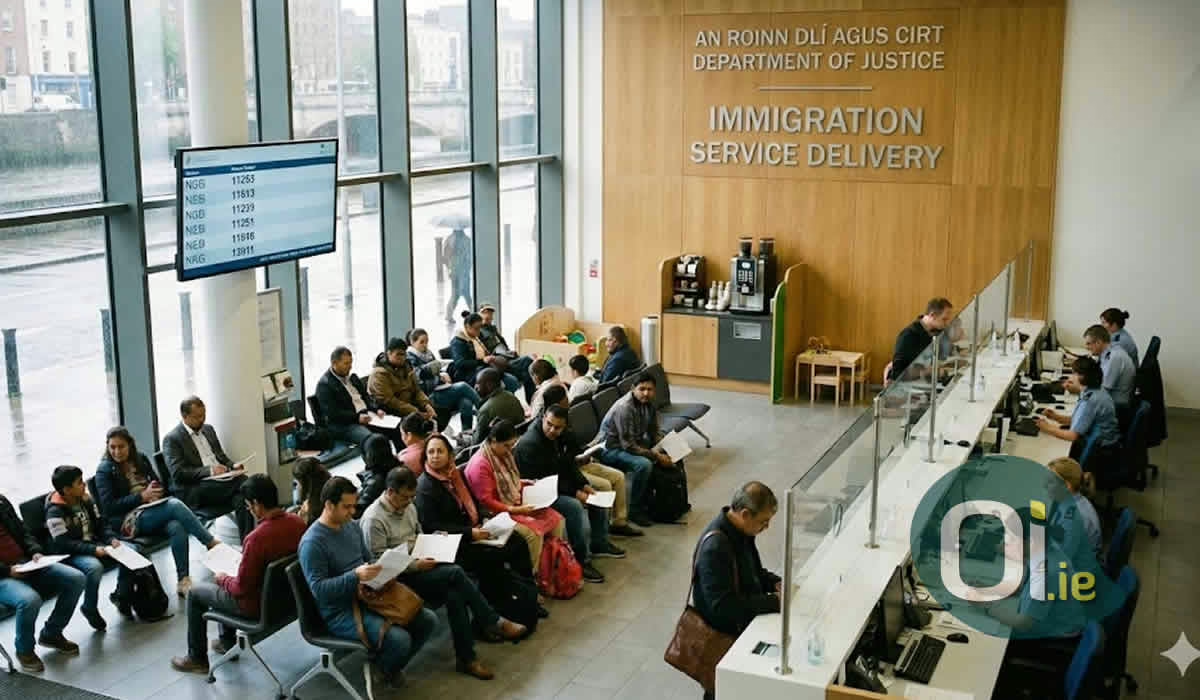
Ireland has introduced major reforms to its immigration system in response to rapid population growth and increasing demand for work permits, student visas, family reunification and asylum services. These changes directly affect non-EU nationals, including Brazilians, and influence how people enter, live, work and pursue long-term status in Ireland.
What’s Changed
1. Immigration Registration Reform
Immigration registration is now fully managed by the civilian authority Immigration Service Delivery (ISD). First-time registrations are handled at the Burgh Quay office in Dublin, while renewals are processed online.
2. Employment Permits
The Employment Permits Act 2024 introduced new categories, including a Seasonal Employment Permit, streamlined employer advertising rules, and easier processes for changing employers.
3. Family Reunification Requirements
Income thresholds have increased. Sponsors must typically earn around €44,000 annually and demonstrate suitable housing to bring family members to Ireland.
4. Asylum and Protection Changes
Processing timelines for asylum applications and appeals have been shortened, with new structured decision deadlines introduced.
5. Citizenship & Naturalisation
Naturalisation assessments now place stronger emphasis on long-term residency, financial independence and limited reliance on social welfare.
6. Student Financial Requirements
From 30 June 2025, international students must show:
- €6,665 for courses up to 8 months
- Approximately €10,000 for longer programmes
Things Brazilians Should Be Aware Of
- Register promptly after arrival
- Prepare stronger financial documentation
- Understand higher family reunification thresholds
- Maintain stable employment and tax compliance
- Plan for longer routes to permanent residence and citizenship


