
Today, 1 February, Ireland marks St Brigid’s Day, a celebration that blends history, tradition, and modern Irish life. For many people living outside Ireland, the day may be unfamiliar, but it plays an important role in how the country marks the start of spring and reflects on values like care, generosity, and community.
St Brigid’s Day has become especially significant in recent years, as it is now recognised as a national public holiday, giving it renewed visibility across the country.
Who Was St Brigid?
St Brigid is believed to have lived in the 5th century and is regarded as one of Ireland’s most important saints, alongside St Patrick. According to tradition, she founded a monastery in Kildare, which grew into a major centre of learning, religion, and social support in early Ireland.
She is strongly associated with helping the poor, welcoming travellers, caring for the sick, and supporting everyday working life. Many stories describe her generosity, wisdom, and independence, which is why she remains a powerful figure in Irish history.
Over time, stories about St Brigid blended with much older Irish traditions, helping her become a unique symbol of Irish identity that connects faith, folklore, and daily life.
What St Brigid’s Day Represents
St Brigid’s Day traditionally marks the transition from winter toward spring. It is linked to ideas of renewal, hope, and fresh beginnings, rather than large public celebrations.
Even today, the focus of the day is often symbolic and reflective. It represents:
- Looking ahead to longer days and better weather
- Respect for home, land, and community
- Protection, good fortune, and wellbeing
Traditional Customs Still Seen Today
| Tradition | What it means | Learn more |
|---|---|---|
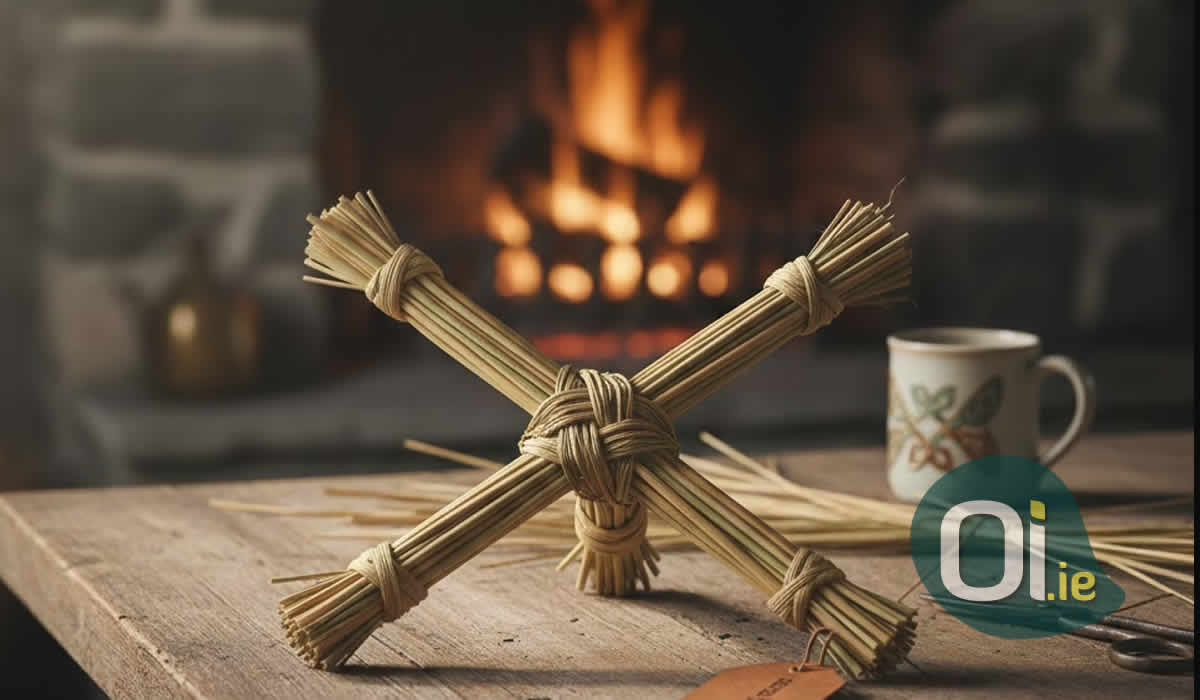
| St Brigid’s Cross | A handwoven cross placed in homes for protection | Learn more |
| Brat Bríde (Brigid’s Cloak) | Cloth left outside overnight for blessing | Learn more |
| Household blessings | Welcoming health and good fortune into the home | Learn more |
| Seasonal food traditions | Simple foods linked to farming and renewal | Learn more |
How to Make a St Brigid’s Cross
One of the most recognisable traditions associated with today is making a St Brigid’s Cross. Traditionally woven from rushes or straw, the cross is placed in homes for protection and good fortune for the year ahead.
The process is simple and is often taught to children in schools or made at home with family members. While rushes are traditional, paper or pipe cleaners are commonly used today.
Step-by-step guides and video tutorials are widely available, including:
A Modern Public Holiday
Since 2023, St Brigid’s Day has been officially recognised as a public holiday, usually observed on the first Monday of February. It is the first Irish public holiday named after a woman, reflecting both historical recognition and modern Ireland’s evolving identity.
Across the country today, events include talks, exhibitions, cultural programmes, and local celebrations, with particular focus in County Kildare, where St Brigid’s story is most closely rooted.
For people new to Ireland, St Brigid’s Day offers a quieter but deeper insight into Irish culture. Rather than a large festival, it is a day centred on reflection, renewal, and continuity, highlighting values that remain central to Irish life.


